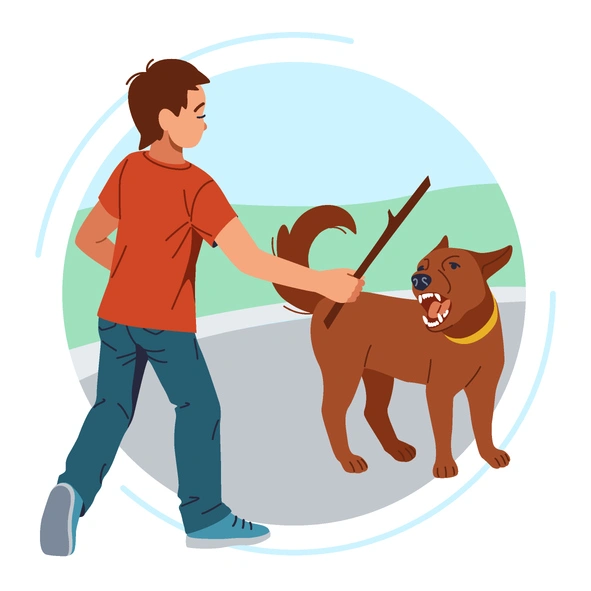
When a dog bite occurs in Austin, the immediate steps taken to document the incident can significantly influence the outcome of any legal proceedings. Texas follows the one-bite rule alongside negligence principles, meaning liability often hinges on whether the owner knew or should have known of the dog’s dangerous propensities, as established in cases like Marshall v. Ranne. Proper evidence collection establishes this knowledge, proves the extent of injuries, and demonstrates violations of local ordinances, such as Austin’s prohibition on dogs running at large under Section 3-2-1 of the city code. An Austin dog bite lawyer emphasizes that comprehensive documentation transforms a simple incident report into a robust case file capable of supporting higher settlement values. Victims who methodically gather photographs, medical records, and witness accounts from the outset position themselves far better in negotiations or court, where juries weigh tangible proof against owner defenses like provocation or trespass.
This process begins at the scene, where preserving the physical layout and immediate aftermath proves crucial under Texas Health and Safety Code Chapter 822, which defines serious bodily injury and mandates reporting to animal control. Failure to document promptly can weaken claims, as memories fade and scenes change, particularly in public spaces like Austin parks where surveillance might capture unrestrained dogs. Courts scrutinize whether owners complied with secure enclosure requirements for dangerous dogs, making visual evidence of leash violations or escape routes indispensable. Beyond the basics, ongoing documentation of recovery tracks long-term impacts, aligning with settlement factors like nerve damage or scarring that elevate awards by 35-50% in comparable cases.
Understanding Texas Dog Bite Liability Framework
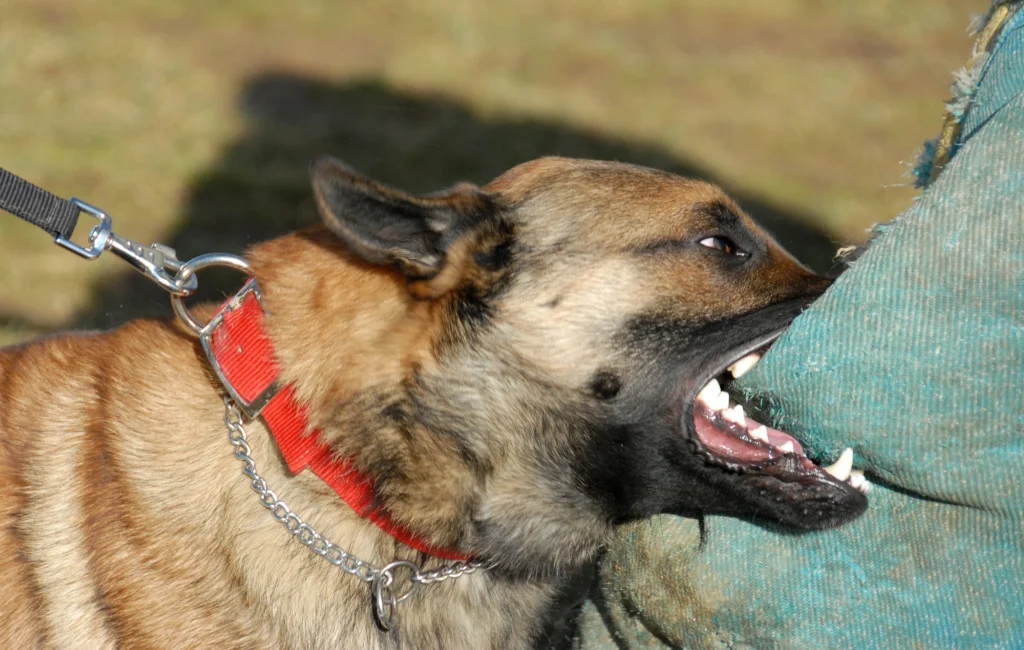
Texas dog bite law operates without a strict liability statute for all bites, relying instead on common law negligence and the one-bite rule, which holds owners accountable if prior aggressive behavior was known or foreseeable. Under Health and Safety Code §822.005, criminal negligence applies when owners fail to secure dogs that cause serious bodily injury off their property, punishable as a third-degree felony with up to 10 years imprisonment. In civil contexts, plaintiffs must show the owner breached a duty of reasonable care, directly causing damages, as outlined in premises liability extensions for attacks on private property. Austin-specific rules amplify this, prohibiting dogs from running at large and requiring vicious dogs to be leashed or enclosed, with non-compliance evidencing negligence.
Documenting how the bite violated these standards—such as photographing an unleashed dog in a neighborhood—directly ties to liability. For instance, if the dog was declared dangerous under §822.041, owners must maintain $100,000 liability insurance and register annually, failures of which bolster claims. Case law reinforces that evidence of prior incidents, like neighbor complaints or veterinary records, pierces the one-bite protection, shifting burden to prove precautions were taken. An Austin dog bite lawyer notes settlements rise when documentation reveals patterns, such as repeated escapes, aligning with public safety frameworks from the CDC reporting 4.5 million annual U.S. bites.
Judicial proceedings under §822.003 mandate hearings within 10 days for bites causing serious injury, where impoundment orders depend on sworn complaints supported by photos and statements. Victims reporting to Austin animal control fulfill §826.041 requirements, generating official records admissible in court. This framework underscores why evidence must be contemporaneous, as comparative negligence reduces awards if victims share fault over 50%, per Texas’s modified rule. Thorough records counter defenses like the dog protecting property, permitted only under strict conditions like enclosures preventing child entry.
Immediate Scene Documentation Strategies
Right after a bite, securing the area prevents alterations, capturing the dog’s appearance, restraint status, and injury context essential for negligence proof. High-resolution photos from multiple angles show bite marks, torn clothing, and environmental factors like absent leashes or “beware” signs, directly evidencing breaches of Austin Code §3-2-1. Timestamped images via smartphone metadata establish chronology, critical since statutes demand filing within two years but settlements favor fresh evidence. Including bystanders or property markers contextualizes trespass claims, rare defenses under §822.003(f) requiring proof of enclosure security.
Videotaping the dog if safe provides dynamic proof of behavior, such as growling or circling, supporting “dangerous dog” determinations under §822.041(2). Note license plates, addresses, and owner details verbally on video, as these identify parties for service under civil procedure rules. Environmental shots reveal violations like heavy chaining, prohibited locally, strengthening foreseeability arguments. An Austin dog bite lawyer advises against handling the dog yourself, instead calling animal control to generate quarantine reports under 10-day observation protocols, official documents weighing heavily in hearings.
Preserving physical items like bloody rags or leashes as tangibles for forensic analysis, such as breed identification or wear patterns indicating neglect. Sketching the scene with measurements aids reconstruction, especially in litigation where experts testify on attack dynamics. These steps maximize settlement leverage by quantifying owner fault early, before defenses solidify. Coordination with first responders yields police reports citing Health and Safety Code violations, pivotal for insurance demands.
Medical Evidence Collection and Preservation
Medical records form the settlement core, detailing puncture depths, infections, and surgeries under “serious bodily injury” definitions involving muscle tearing requiring hospitalization. Seek immediate ER evaluation, requesting wound photos, X-rays for fractures, and rabies assessments, as Texas mandates quarantine regardless of vaccination status. Follow-up with specialists for scarring or nerve studies, where documentation of pain scales and therapy notes quantifies non-economic damages like emotional distress.
Bills and prescriptions track economic losses, multipliers for facial injuries boosting values by 45% per industry analyses. Journals logging daily impacts—mobility loss, sleep disruption—corroborate PTSD claims, admissible if contemporaneous. An Austin dog bite lawyer stresses HIPAA releases for seamless record transfer, ensuring continuity from initial treatment to expert depositions. Surgical reports on reconstructions provide leverage, as juries award premiums for permanent disfigurement in child or visible cases.
Ongoing imaging like MRIs evidences complications, countering defense minimizations. Compliance with reporting to animal control links medicals to liability, as §826.041 records trigger investigations revealing owner histories. This chain elevates baselines from $10,000 minor claims to six figures with proven negligence.
Witness and Third-Party Statements
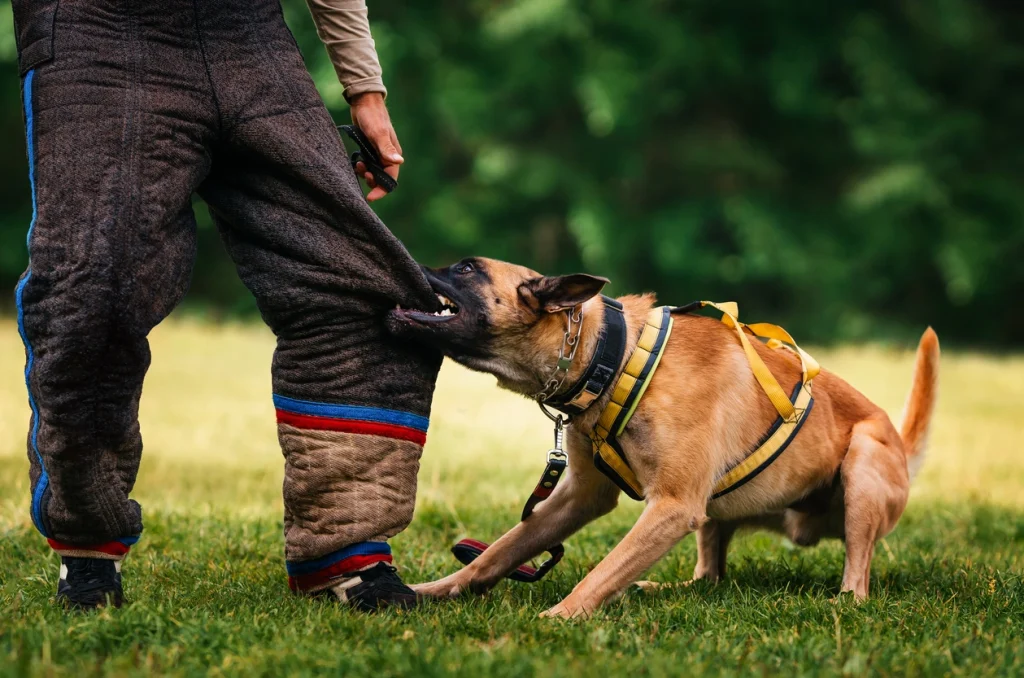
Eyewitness accounts independently verify sequences, crucial for unprovoked attack elements under §822.041. Collect names, contacts, and preliminarily statements on-site, followed by affidavits detailing dog control and victim actions. Neighbors attesting prior aggression establish scienter, bypassing one-bite limits. Video interviews preserve demeanors, persuasive in mediation.
Surveillance from homes or businesses captures prelude, often showing unleashed roaming violating Austin ordinances. Subpoena requests preserve footage before erasure, with timestamps aligning timelines. Veterinary or prior bite reports from animal control build patterns, as §822.042 requires notification of attacks.
Expert witnesses like behaviorists analyze propensities, reports citing breed statistics or training lacks. These amplify settlements by framing incidents as preventable, aligning with Lillian’s Law criminal overlays for reckless owners.
Owner and Animal Identification Methods
Identifying the dog and owner prevents evasion, starting with tags, microchips scanned by control under dangerous dog rules. Photos of markings, collars, or scars aid later matches, while license plates trace vehicles in fleeing cases. Public records requests reveal registrations, $50 annual fees for dangerous dogs signaling knowledge.
Social media or neighborhood canvassing uncovers histories, screenshots preserving complaints. Serving discovery demands owner disclosures of insurance and priors, per §822.042. An experienced Austin dog bite lawyer integrates these into demands, leveraging gaps for concessions.
Quarantine outcomes report rabies status and behavior, court-admissible under hearings. Breed evidence influences juries, though Texas avoids strict breed liability, focusing on control failures.
Long-Term Impact and Expert Documentation
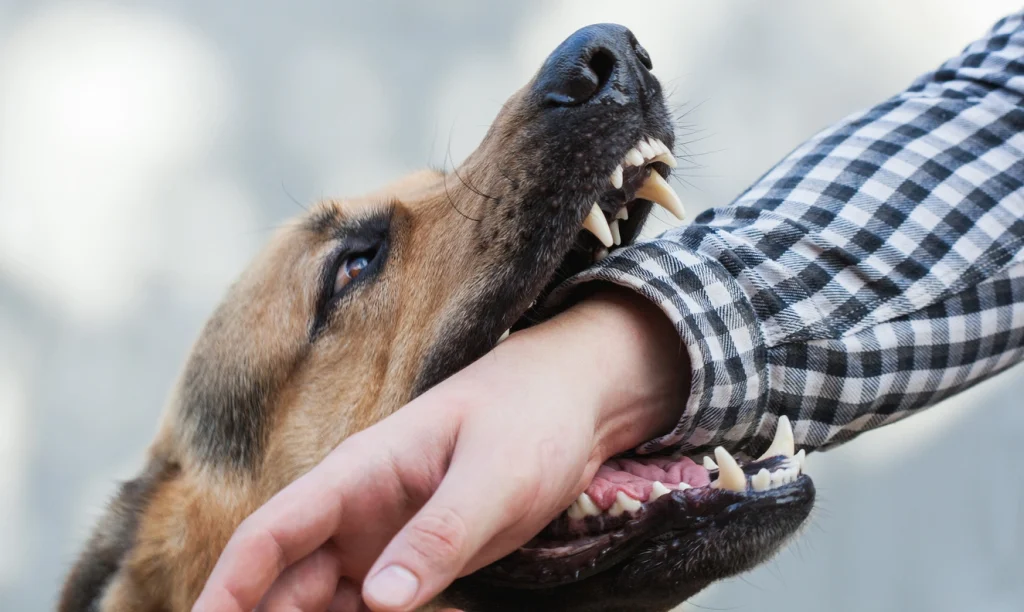
Chronicling recovery via calendars logs therapies, wage losses, and adaptations, supporting future medicals projections. Vocational experts quantify earnings impacts, reports pivotal for life-care plans in severe cases. Psychological evaluations diagnose trauma, therapies billed as damages.
Property damages like repaired fences document full scope. Economic experts compute present values, multipliers for child victims with extended horizons. These build authority, mirroring court procedures emphasizing comprehensive proof.
Settlement Maximization Through Evidence Strength
Strong documentation shifts leverage, insurers settling higher to avoid trials where juries penalize negligence per §822.005. Clear liability chains—scene to medicals—counter reductions, targeting premiums for negligence like 35% uplifts. Neutral tones in records enhance credibility, avoiding provocation pitfalls.
Procedural adherence, like timely filings, preserves two-year limits, evidence packages prompting early offers. In appeals under §822.0424, bonds cover impounds, but solid proof expedites resolutions. This methodical approach, grounded in statutes, co